In this comprehensive guide, I’ll share my professional insights into how massage therapy can become a powerful tool in your migraine management arsenal, whether you’re looking for preventative care or relief during an attack.
The Science Behind Massage for Migraine Relief
As both a practitioner and someone who has experienced migraines, I understand that migraines aren’t simply bad headaches – they’re complex neurological events involving changes in brain chemistry, blood flow, and nerve pathways.
How massage works against migraines:
- Muscle tension reduction: Many migraines are triggered or worsened by tension in the neck, shoulders, and cranial muscles. Through targeted techniques, massage releases these tight muscles that contribute to or exacerbate headache pain.
- Stress reduction: Since stress is a major migraine trigger, the relaxation response from massage helps lower cortisol levels and activates the parasympathetic “rest and digest” nervous system.
- Endorphin release: Much like exercise, massage stimulates the body’s natural pain-relieving chemicals. These hormones inhibit pain signals to the brain and can significantly reduce migraine discomfort.
- Improved circulation: Enhanced blood flow ensures better oxygen delivery to brain tissues, potentially reducing the likelihood or severity of attacks.
- Hybrid Massage Therapy Programs: Complete 2025 Guide to Blended Learning Certification
- Does Medicaid Cover Massage Therapy in 2025? Complete State-by-State Coverage Guide
- How to Cancel Massage Envy Membership: The Complete 2025 Guide
- Does Aetna Cover Massage Therapy? The Complete Insurance Guide for 2025
- Denver Massage Therapy Guide: Insurance-Covered Therapists and Best Wellness Centers 2025
A client once told me, “I thought my migraines were just something I’d have to endure forever until I started regular massage therapy. Now I have a way to fight back!” This powerful testimony reflects what research has been showing us: massage isn’t just about feeling good—it’s a legitimate neurological intervention.
Most Effective Massage Techniques for Migraine Relief
Through years of specialization, I’ve found certain massage modalities consistently outperform others for migraine management. Let me share the techniques I’ve seen work most effectively in my practice:
Trigger Point Therapy
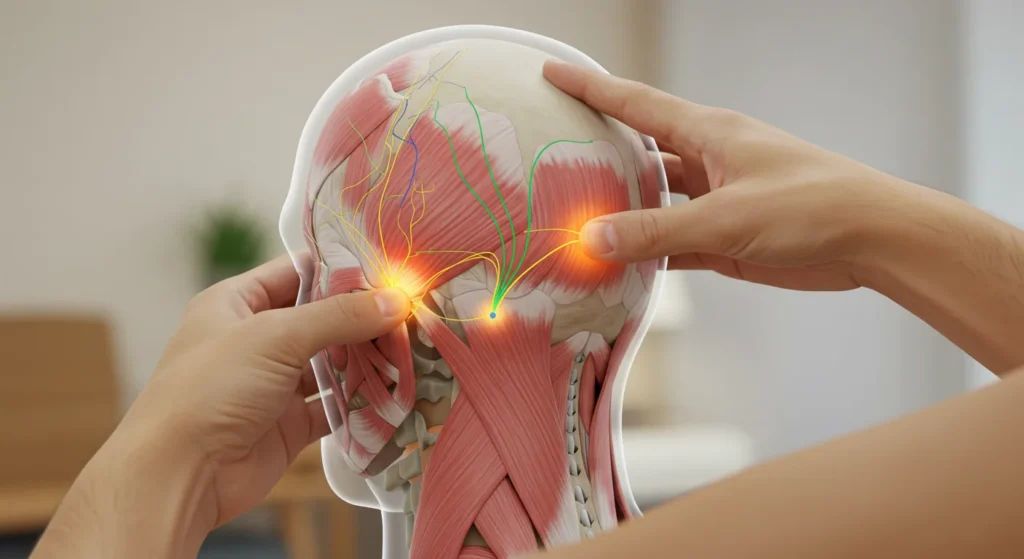
This technique has been my go-to approach for many migraine sufferers. By applying sustained pressure to specific “knots” or trigger points—particularly in the upper trapezius, sternocleidomastoid, and suboccipital muscles—I can often produce significant relief.
What makes this approach so effective is targeting the referred pain patterns. For example, trigger points in the sternocleidomastoid muscle can refer pain behind the eyes and across the forehead—common locations for migraine pain.
Swedish Massage
For clients who find deep pressure uncomfortable, especially during an active migraine, I often recommend gentle Swedish massage techniques. The long, flowing strokes and gentle kneading help:
- Promote overall relaxation
- Reduce anxiety associated with pain
- Improve sleep quality (poor sleep is a common migraine trigger)
Deep Tissue Massage
Between migraine episodes, I’ve found that addressing chronic tension patterns with deep tissue work can be remarkably effective for prevention. By working with the deeper muscle layers, particularly around the neck, shoulders, and upper back, we can correct postural issues that contribute to recurring migraine patterns.
As I tell my clients, “Think of deep tissue work as resetting your muscle memory before it can trigger your next migraine.”
Craniosacral Therapy
This gentle, subtle approach focuses on the craniosacral system—the membranes and fluid that surround the brain and spinal cord. Using extremely light touch (about the weight of a nickel), I’ve helped many clients experience profound migraine relief when other approaches failed.
One memorable success story involved a client with vestibular migraines who found that even gentle Swedish massage was too stimulating during episodes. Craniosacral therapy became her lifeline, providing relief without triggering vertigo symptoms.
Indian Head Massage
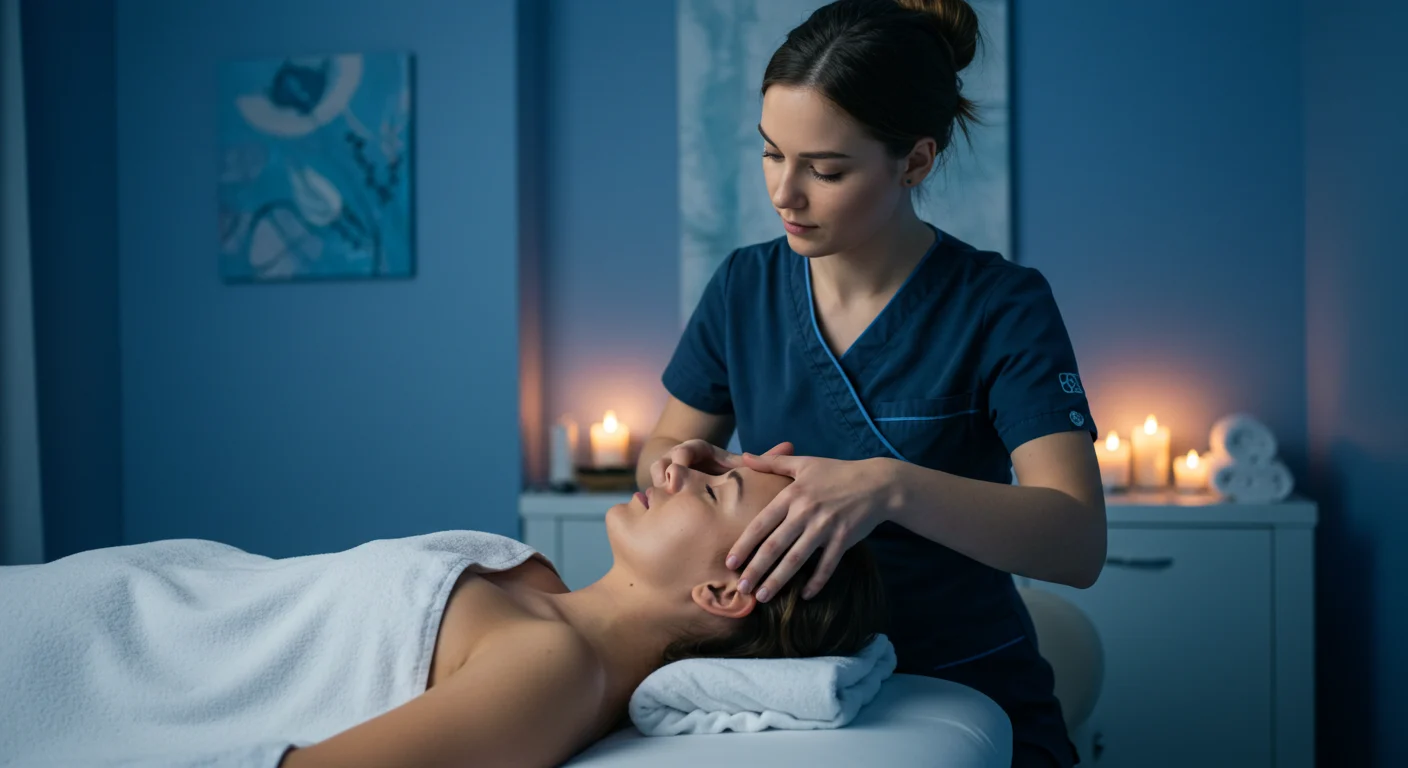
This specialized technique focuses specifically on the head, face, neck, and shoulders—all prime areas for migraine tension. The combination of pressure points and rhythmic movements makes it particularly effective for stress-related migraines.
I recently integrated aromatic oils into my Indian head massage treatments after seeing promising research. One study found that aromatherapy massage with specific essential oil blends applied to temples and neck significantly improved pain severity and quality of life for acute migraine sufferers.
Key Areas to Focus On During Migraine Massage
After treating thousands of migraine cases, I’ve identified specific anatomical regions that yield the best results when properly addressed. Whether you’re a fellow practitioner or looking for self-massage guidance, these are your primary targets:
Head and Scalp
The suboccipital muscles—those tiny but powerful muscles at the base of your skull—are often the hidden culprits behind many migraines. I spend significant time here, using gentle but firm pressure with my fingertips to release tension where the head meets the neck.
I also focus on the temporalis muscle (at your temples), which can become incredibly tight during stress and directly contributes to migraine pain patterns. Using gentle circular motions here can provide immediate relief for many clients.
Neck and Shoulders
The connection between neck tension and migraines cannot be overstated. The cervical spine houses nerves that communicate directly with the trigeminal nerve—the primary nerve involved in migraine pain. Key muscles I focus on include:
- Trapezius: These large, diamond-shaped muscles that extend from your neck to your shoulders often hold tremendous tension.
- Levator scapulae: These muscles, which run from your neck to your shoulder blades, can refer pain up into the base of the skull.
- Sternocleidomastoid (SCM): These rope-like muscles on either side of your neck are frequent trigger point locations.
A good neck massage should feel like it’s “unwinding” tissue that’s been coiled tight for too long. As one client memorably put it, “It feels like you’re untangling Christmas lights in my neck!”