Dental Restoration Options in the United States: A Comprehensive Guide
Navigating the world of dental restoration in the United States can be overwhelming, with options ranging from basic fillings to advanced implant-supported prosthetics. Understanding the available treatments and their suitability for different needs is crucial for making informed decisions about oral health.
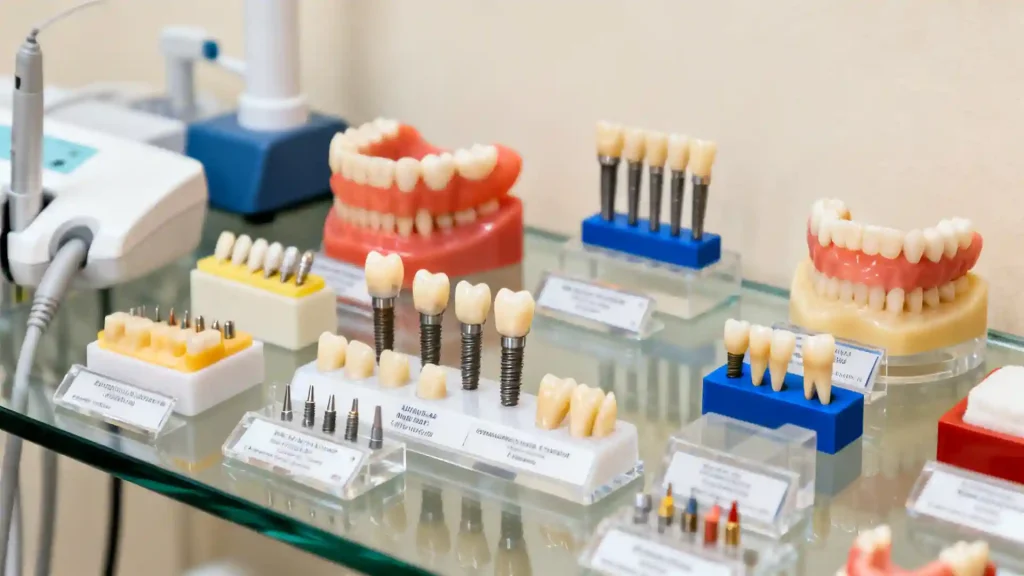
Current Dental Restoration Landscape in the U.S.
The American dental restoration market offers a wide spectrum of solutions tailored to various clinical needs and budget considerations. Many Americans face common dental issues including tooth decay, trauma-related damage, and age-related wear that require restoration. The industry has evolved significantly with technological advancements in materials and techniques, providing more durable and aesthetically pleasing options than ever before.
Dental restoration trends show increasing preference for tooth-colored materials that blend seamlessly with natural dentition. Ceramic and composite resin materials have largely replaced traditional metal fillings in many practices, particularly in visible areas. The demand for affordable dental implants for seniors has grown substantially as baby boomers seek permanent solutions for missing teeth. Regional variations exist in service availability and cost structures, with urban centers typically offering more specialized options than rural areas.
Common Dental Restoration Solutions
| Treatment Type | Typical Applications | Cost Range | Longevity | Advantages | Limitations |
|---|---|---|---|---|---|
| Composite Fillings | Small to medium cavities | $150-$450 per tooth | 5-10 years | Tooth-colored, minimal preparation | Less durable than alternatives |
| Porcelain Crowns | Extensive decay or fractures | $800-$1,700 per crown | 10-15 years | Natural appearance, strong | Requires significant tooth reduction |
| Dental Implants | Single tooth replacement | $3,000-$5,000 per implant | 20+ years | Permanent, preserves bone | Higher initial cost, surgical procedure |
| Dental Bridges | Multiple missing teeth | $2,000-$5,000 per bridge | 10-15 years | Fixed solution, no surgery | Requires altering adjacent teeth |
| Partial Dentures | Multiple missing teeth | $1,000-$3,000 | 5-10 years | Removable, less invasive | Less stable than fixed options |
Factors Influencing Restoration Choices
Several considerations impact the selection of appropriate dental restoration methods. The location and extent of damage play a significant role in determining whether a simple filling or more comprehensive crown will suffice. Patient factors including age, overall health, and oral hygiene habits influence long-term prognosis. Budget constraints and insurance coverage often dictate feasible options, with many patients seeking cost-effective dental restoration near me to manage out-of-pocket expenses.
Material selection has evolved considerably, with many patients opting for metal-free alternatives despite potentially higher costs. Zirconia crowns offer exceptional strength and biocompatibility, while lithium disilicate provides excellent aesthetics for front teeth. The development of digital impression technology has improved accuracy and reduced appointment times for many restorative procedures.
Implementation Considerations
When planning dental restoration, proper assessment by a qualified professional is essential. Comprehensive examination including radiographic evaluation helps determine the most appropriate treatment approach. Many dental practices now offer phased treatment plans that allow patients to address urgent needs first while planning for more extensive work over time.
Maintenance requirements vary significantly between restoration types. While implants may require specialized cleaning tools, crowns and bridges typically need only routine oral hygiene with attention to cleaning beneath prosthetic margins. Regular professional examinations help identify potential issues early, potentially extending the lifespan of dental work.
Patients should discuss all available options with their dental provider, considering both immediate and long-term implications. Many practices provide detailed treatment plans with cost breakdowns to facilitate informed decision-making. Some dental schools and community health centers offer reduced-cost services for qualifying individuals seeking more economical solutions.
The field of dental restoration continues to advance, with research focusing on materials that better mimic natural tooth structure and techniques that preserve more healthy tooth tissue. Patients benefit from discussing both conventional and emerging options with their dental care providers to determine the most suitable approach for their specific situation.